Class 7 Maths Ganita Prakash Chapter 7 A Tale of Three Intersecting Lines NCERT Solutions
In-text questions (Page 146)
Construct (Page 150)

(b) 3, 4, 5
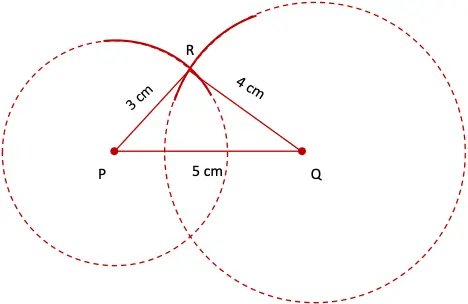
(c) 1, 5, 5
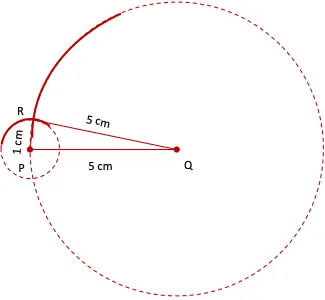
(d) 4, 6, 8
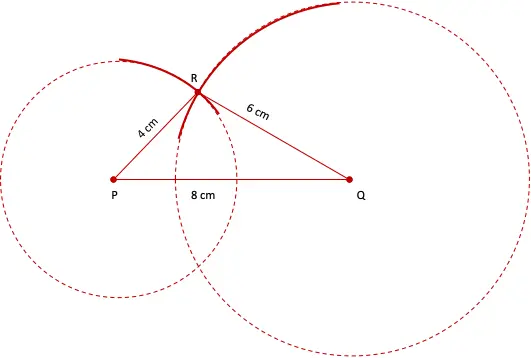
(e) 3.5, 3.5, 3.5
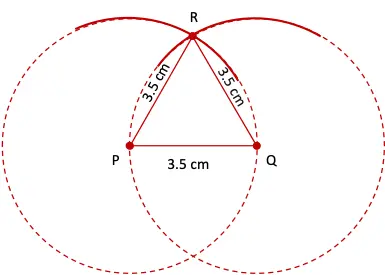
Figure it Out (Page 150)
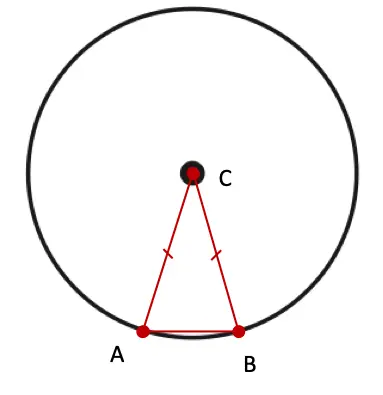
1. Use the points on the circle and/or the centre to form isosceles triangles.
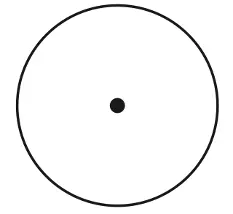
Solution:
2. Use the points on the circles and/or their centres to form isosceles and equilateral triangles. The circles are of the same size.

Solution:
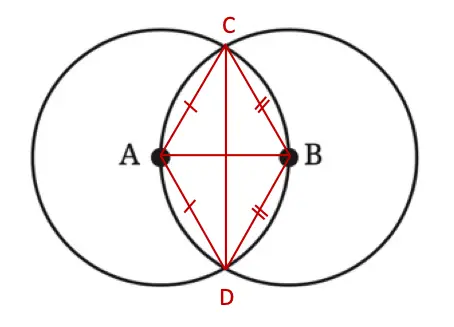

In-text questions (Page 148)
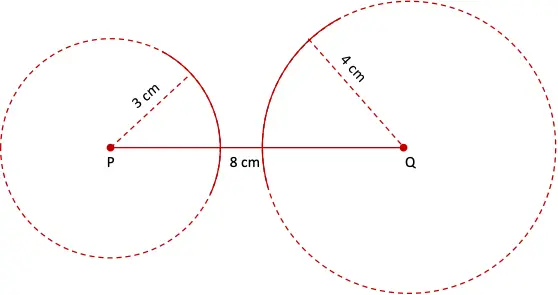
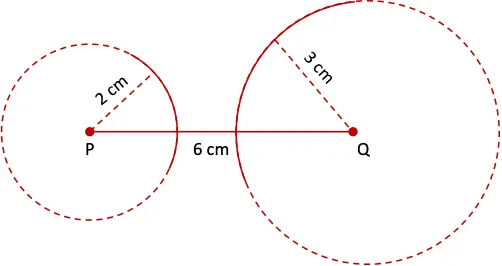
No, it is impossible to construct a triangle with side lengths 2 cm, 3 cm, and 6 cm.
In-text questions (Page 153)

Additionally, a triangle with the given sidelengths is not possible as the two arcs from the end points of the base do not meet to provide a third vertex.
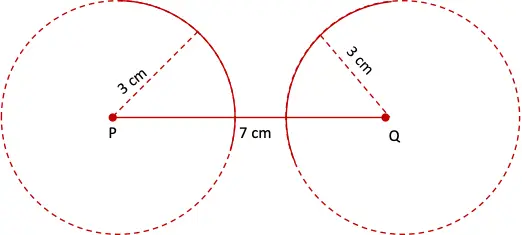
Q. “In the rough diagram in Fig. 7.4, is it possible to assign lengths in a different order such that the direct paths are always coming out to be shorter than the roundabout paths? If this is possible, then a triangle might exist.”
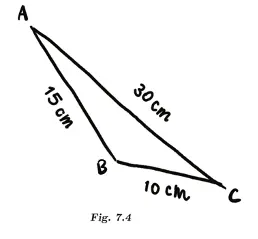
Figure it Out (Page 154)
Figure it out (Page 156)
In-text questions (Page 159)
Figure it out (Page 159)
Figure it out (Page 161)
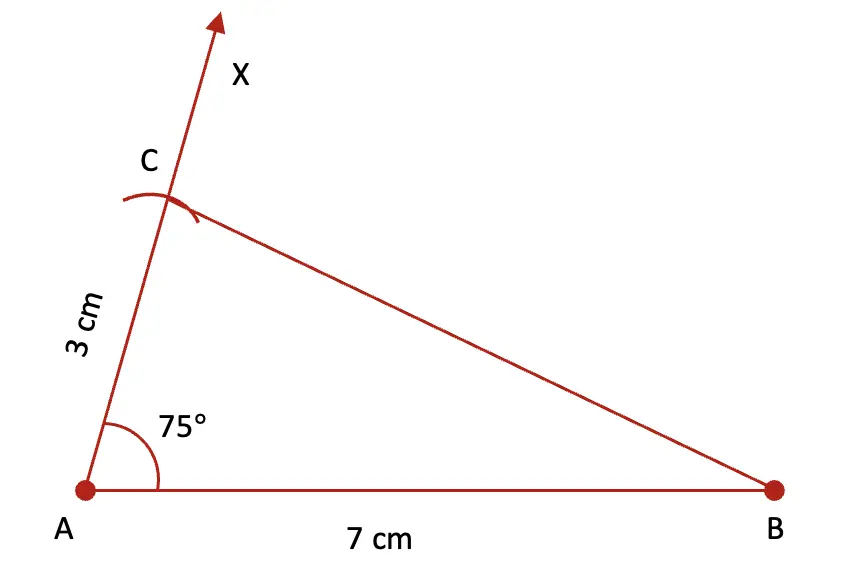
(b) 6 cm, 25°, 3 cm

(c) 3 cm, 120°, 8 cm
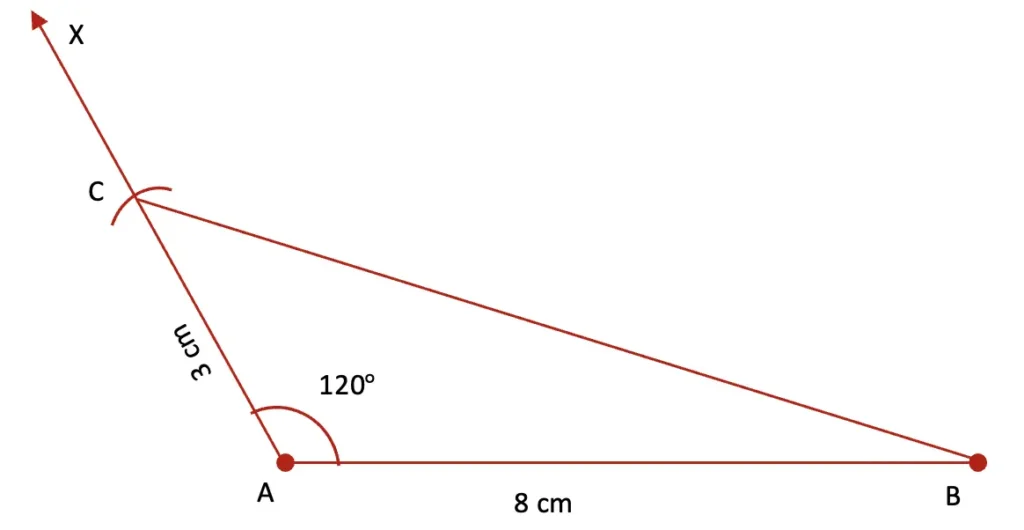
Figure it out (Page 162)
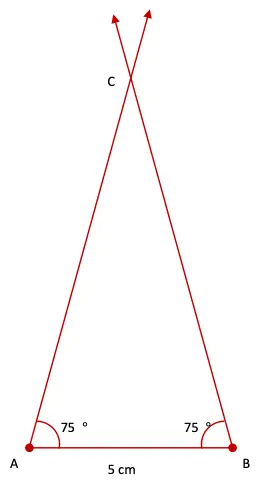
(b) 25°, 3 cm, 60°
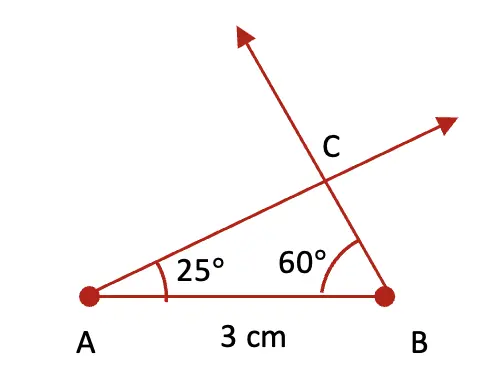
(c) 120°, 6 cm, 30°

Figure it out (Page 163)
In-text questions (Page 164)
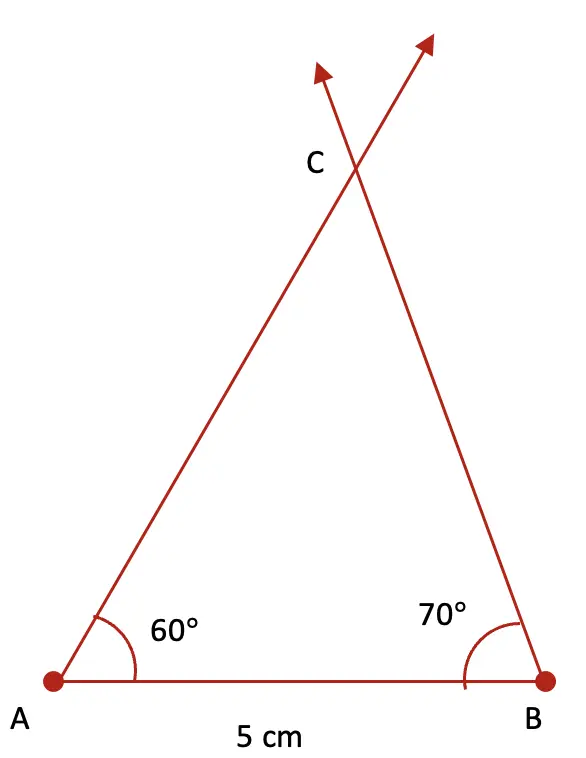
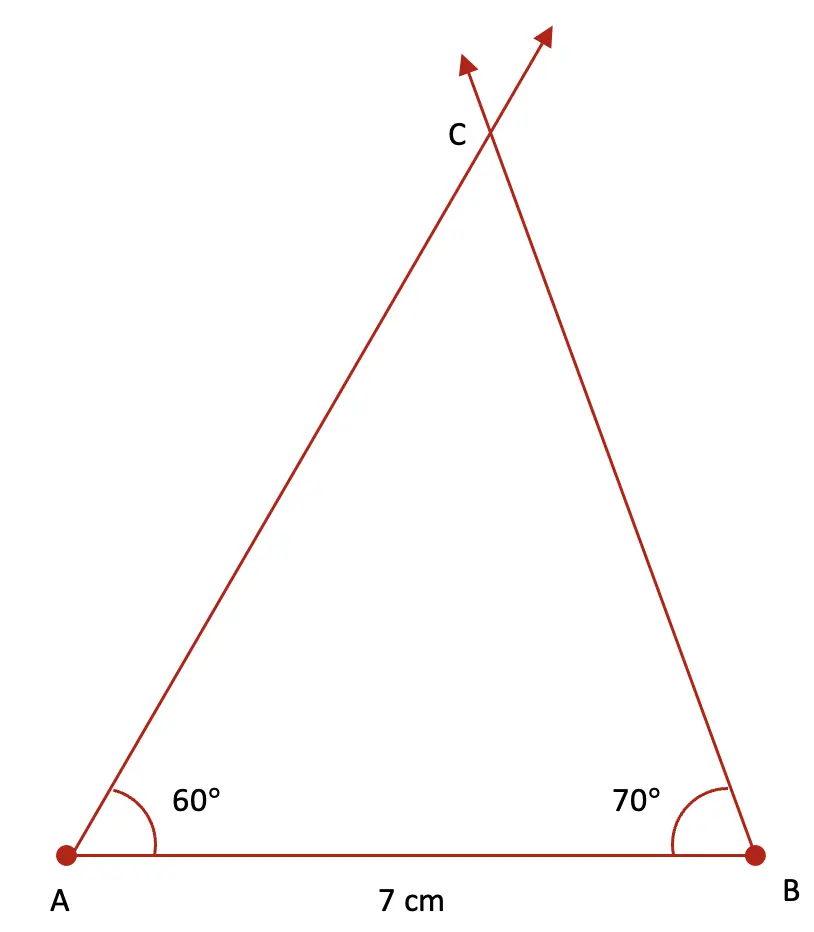
Figure it out (Page 165)
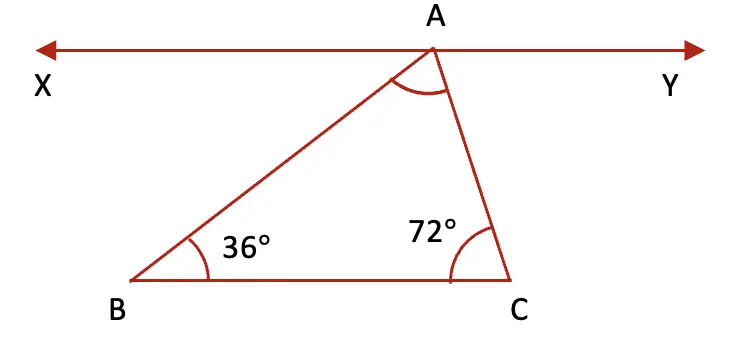
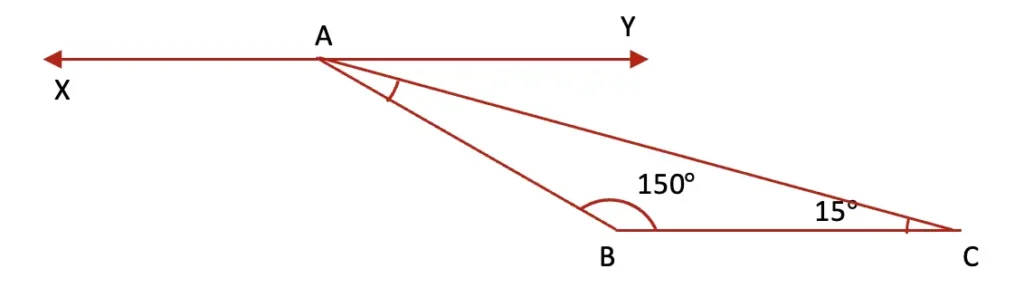
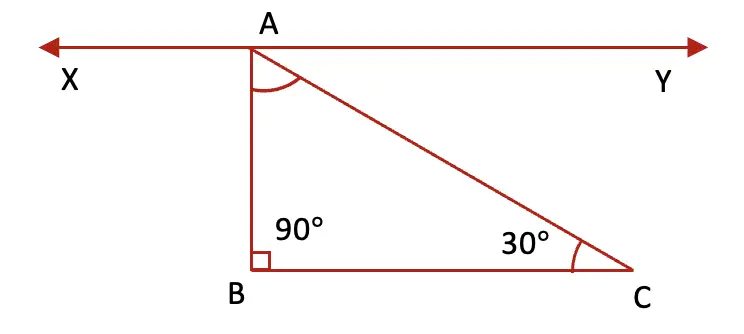
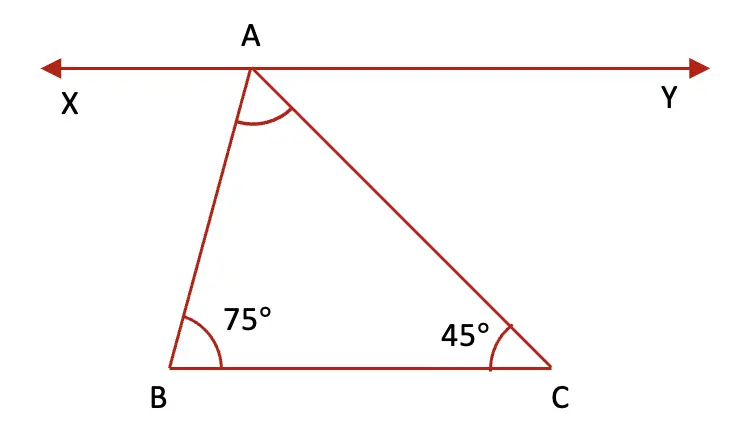
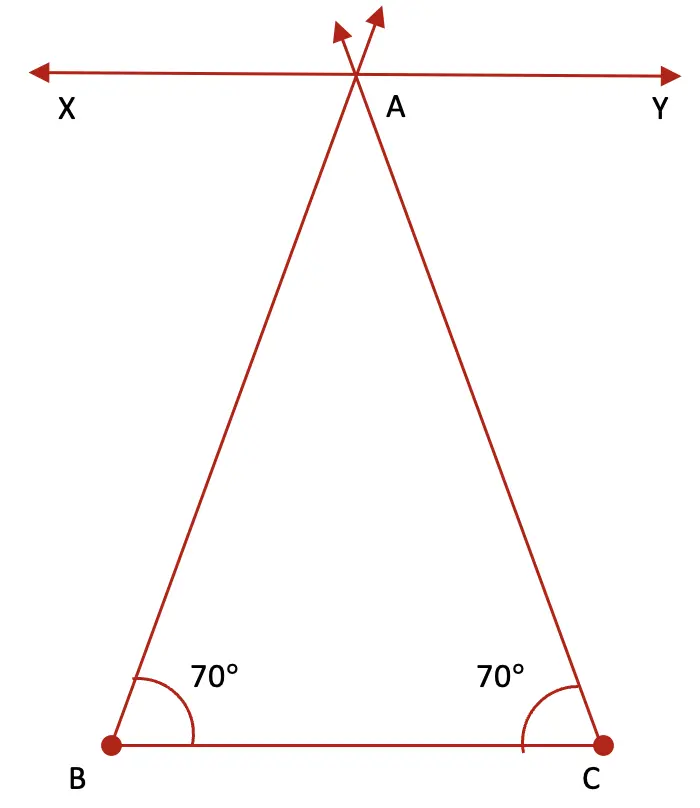

Figure it out (Page 171)
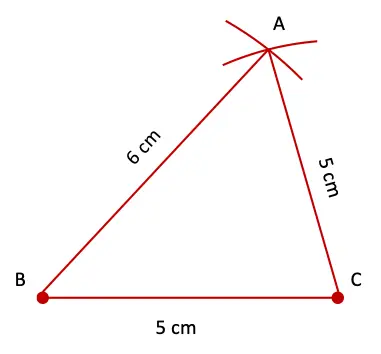
v) Keep the ruler aligned to the base BC. Place the set square on the ruler such that one of the edges of the right angle touches the ruler.
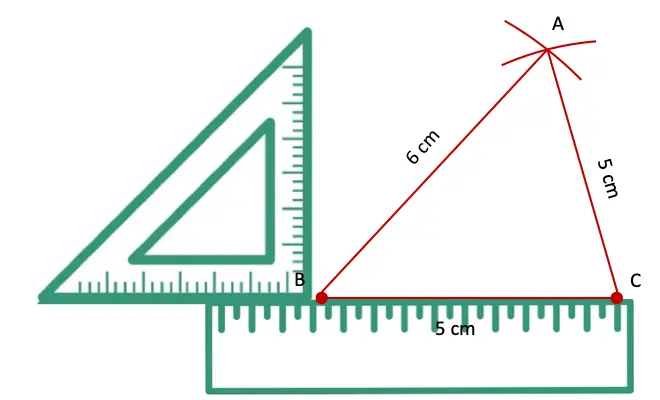
(vi) Slide the set square along the ruler till the vertical edge of the set square touches the vertex A.
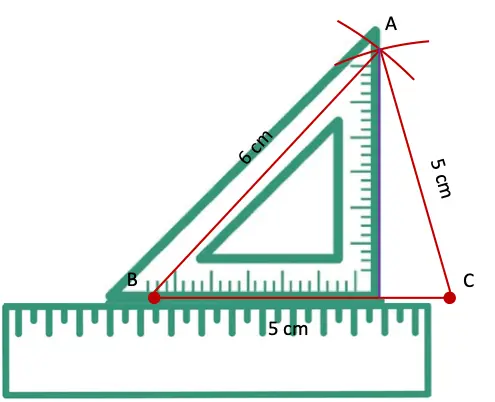
(vii) Draw the altitude to BC through A using the vertical edge of the set square.
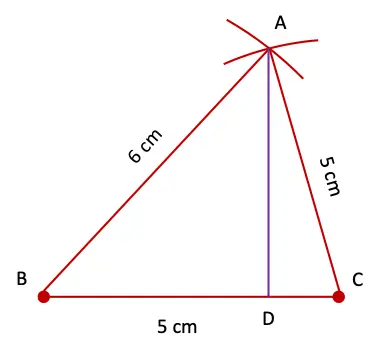
Therefore, in ∆ABC AC is the required altitude from point A to BC.

(v) Keep the ruler aligned to the side RY. Place the set square on the ruler such that one of the edges of the right angle touches the ruler.
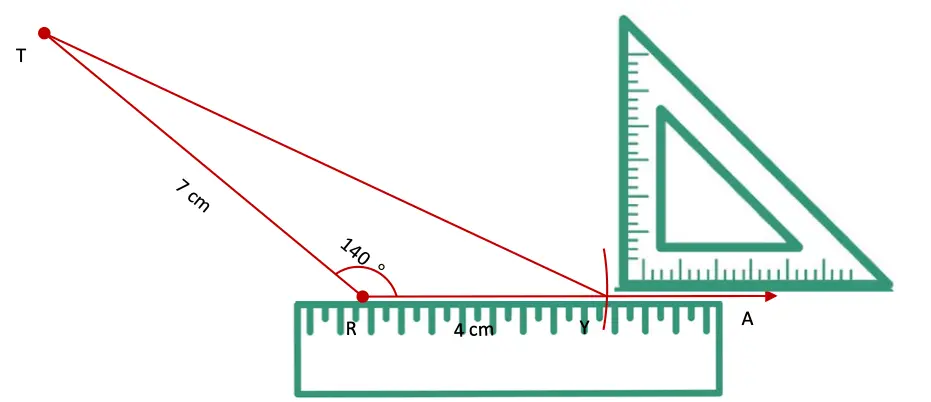
(vi) Slide the set square along the ruler till the vertical edge of the set square touches the vertex T.
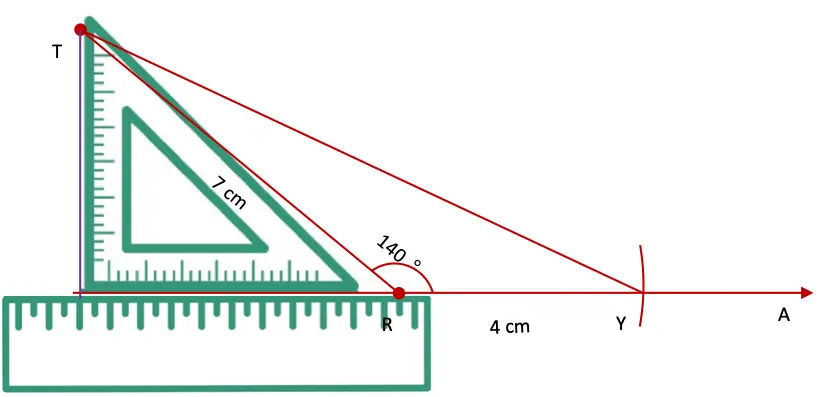
(vii) Draw the altitude to BC through A using the vertical edge of the set square.
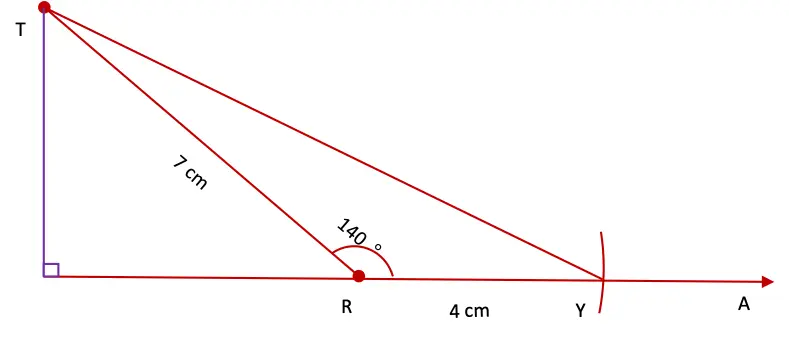
Therefore, in  TRY TB is the required altitude from point T to RY.